Table of Content
- Cash at Home Isn’t Insured Against Theft or Loss
- Another Budget Strategy: Dave Ramsey's Method
- How to Choose a Bank Account
- Is keeping money in bank safe?
- What happens to your money when you put it in the bank?
- How Much Money Should I Keep in My Savings Account?
- ways to grow your extra savings
- Where is the best place in the house to put a safe?
You can also ensure that you’re staying within FDIC coverage limits by spreading your money across accounts at multiple banks. Cash stuffing, like other budgeting methods, is a way to plan out your spending and keep track of expenses. How much money you should keep in a savings account depends on your budget.

If you were to lose your job, you might face a monthslong job search. In that scenario, you might be glad to have nine or even 12 months’ worth of expenses saved. Setting a budget for each savings goal can help you decide how much to save. You can then open multiple savings accounts for each goal or, if your bank allows it, a single savings account that lets you create subaccounts. You can then divide your savings budget to fund each subaccount at a pace that works for you.
Cash at Home Isn’t Insured Against Theft or Loss
You use the same government services as everyone else pay your share. Physical cash is becoming less relevant as money management goes digital, but there’s still a need to have a reasonable amount of cash at home in case of emergencies. Founded in 1976, Bankrate has a long track record of helping people make smart financial choices. We’ve maintained this reputation for over four decades by demystifying the financial decision-making process and giving people confidence in which actions to take next.
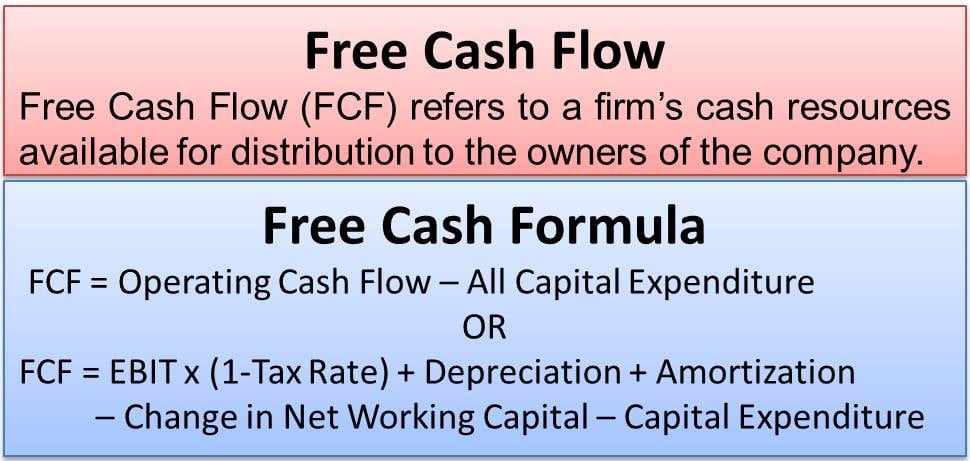
Aim for building the fund to three months of expenses, then splitting your savings between a savings account and investments until you have six to eight months' worth tucked away. Checking accounts are designed to handle many transactions, such as paying bills or withdrawing cash you need on hand for daily expenses. The amount of money in your checking account should be enough to pay your monthly bills, withdraw cash for other expenses, and so that you don’t get hit with overdraft fees. David Ramsey recommends that the amount of the buffer should make you feel comfortable, but also not be an amount that would tempt you to overspend. With a checking account, for instance, consider things like minimum balance requirements, monthly fees and whether you can earn interest.
Another Budget Strategy: Dave Ramsey's Method
All of our content is authored by highly qualified professionals and edited by subject matter experts, who ensure everything we publish is objective, accurate and trustworthy. What you’re more likely to face are the risks of either destruction. Then there’s the guaranteed, ever-present reality of inflation, that’s certain to steal your money even if you hold it in the strongest safe in the world. Even in an emergency situation, it’s won’t you’ll be able to pay certain basic living expenses in cash, like your mortgage, your car payment, or your utility bills. If you prefer to not lock up your money in a CD, an online savings account will do just fine. With that said, there’s no guarantee that cash stuffing will stop you from overspending.
We continually strive to provide consumers with the expert advice and tools needed to succeed throughout life’s financial journey. Or they can "let" your joint-account-holder close the account without your knowledge or consent and thus take all your money and your last bank account. Let’s face it, most of the reasons that motivate people to save large amounts of cash at home are actually no more than possibilities. In reality, there’s very little probability you’ll face those circumstances.
How to Choose a Bank Account
Bankrate is compensated in exchange for featured placement of sponsored products and services, or your clicking on links posted on this website. This compensation may impact how, where and in what order products appear. Bankrate.com does not include all companies or all available products. So, if you’re currently keeping your money at home, it’s probably time to move it from your sock drawer to a savings account. But, if you’re still questioning whether it’s a good idea, keep reading.
The general rule is 30% of your income, but many financial gurus will argue that 30% is much too high. It would be nice if you didn't have monthly bills, but the electricity bill cometh, just like the water, internet, car, and mortgage bills. Assuming you've evaluated how these costs fit into your budget and decided they are musts, there's not much you can do other than pay them. Khadija Khartit is a strategy, investment, and funding expert, and an educator of fintech and strategic finance in top universities. She has been an investor, entrepreneur, and advisor for more than 25 years. Yes Janie that is right as ive read online civil forfeiture has been successfully challenged.
Is keeping money in bank safe?
Many financial advisors will recommend that you keep at least some cash at home. It’s the perfect passive investment, and it will at least enable your money to retain its value against inflation. You don’t even have to do anything to earn that kind of money. And that maintains the real value of your savings in a way that cash at home can’t.
There are places that are known as thief-targets and places where money can go easily disguised. If you are very low wage earner, you might even come out ahead if you report the income. Just like any other piece of paper, cash can get lost, wet or burned.
This provides the most protection and support for a heavy safe. In a house that has multiple levels, it's best to keep the safe on the ground floor. In order to access this money quickly, you’d have to tear parts of your house apart.
Real adults who make smart choices keep their money in the bank. No matter what place you store your money, it’s always better to disperse it in several locations. Other adept thieves might consider a plan A, plan B, plan C…etc when planning out their break-in. There is no particular hiding place that will cut it for a professional thief so your best bet would be to invest in a safe for your home.
A large percentage of your time is spent driving, so the chances of an emergency occurring while you’re in your car is pretty big. Hide some money in your car for those unpredictable emergencies - keeping smaller bills is better. Over the last decade, we have seen the collapse of many banks and while things seem steady at the moment, who knows what the future will hold.
At Bankrate we strive to help you make smarter financial decisions. While we adhere to stricteditorial integrity, this post may contain references to products from our partners. The offers that appear on this site are from companies that compensate us. This compensation may impact how and where products appear on this site, including, for example, the order in which they may appear within the listing categories. But this compensation does not influence the information we publish, or the reviews that you see on this site. We do not include the universe of companies or financial offers that may be available to you.
I bring this up because unfortunately history repeats itself. I don’t want to sound like I’m opposing banks entirely, however I would be careful in how much of my money is saved by these institutions. Keeping some money in the bank is beneficial for investment purposes and most US banks offer insurance from the FDIC. Still, it’s important to consider what would happen in the face of another financial crisis. Millions of people keep cash home rather than a savings account. You can use it for some spending areas while also keeping some of your money in a bank account.



No comments:
Post a Comment